
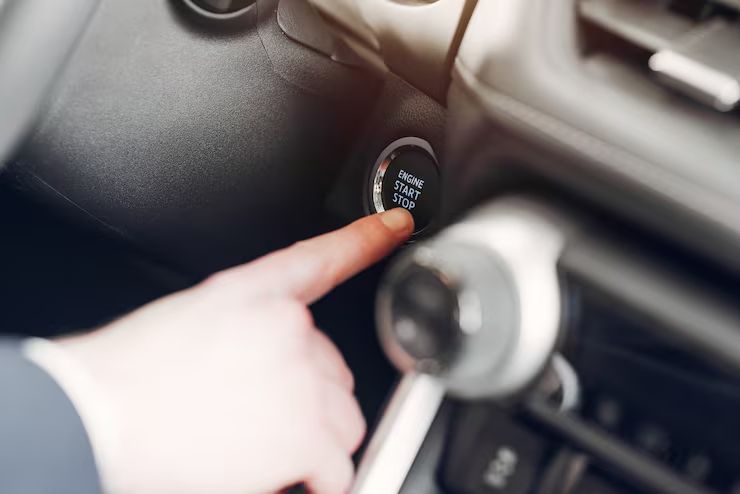
A car that starts normally but Car Shut Off moments later can be frustrating, inconvenient, and potentially dangerous. Whether your engine dies within seconds of ignition, stalls repeatedly when cold, or turns off unexpectedly after startup, the problem often points to a fault in one of the vehicle’s essential systems.
Modern engines rely on the perfect balance of fuel, air, spark, electronic controls, and security systems. If any of these systems fail to function correctly, the engine may start briefly but cannot continue running.
This comprehensive guide explains the most common reasons a car shuts off after starting, how to diagnose the issue, and the best solutions to restore reliable performance.
What Happens When a Car Starts Then Dies?
When you start your vehicle, the engine initially receives fuel, air, and ignition spark. If one of these elements becomes interrupted immediately after startup, the engine loses the ability to sustain combustion and stalls.
In many cases, the vehicle provides early warning signs before complete failure occurs.
Common symptoms include:
- Engine starts then Car Shut Off within seconds
- Rough idle before stalling
- RPM fluctuations
- Dashboard warning lights
- Hard starting in the morning
- Loss of power
- Engine shaking
- Frequent stalling at traffic lights
Fuel Delivery Problems
Fuel-related issues are among the most common causes of a Car Shut Off after starting. Without a continuous supply of fuel, combustion stops almost instantly.
Faulty Fuel Pump
The fuel pump pressurizes fuel and delivers it to the engine.
Symptoms include:
- Engine starts then dies
- Hesitation during acceleration
- Whining noises from the fuel tank
- Difficulty starting
Clogged Fuel Filter
A blocked fuel filter restricts fuel flow.
Warning signs:
- Loss of power
- Poor acceleration
- Frequent stalling
- Hard starting
Dirty Fuel Injectors
Fuel injectors can become clogged over time.
Common symptoms:
- Rough idle
- Engine misfires
- Poor fuel economy
- Stalling after startup
Contaminated Fuel
Water, debris, or poor-quality fuel can interfere with combustion and lead to immediate stalling.
Mass Air Flow (MAF) Sensor Failure
The Mass Air Flow sensor measures the amount of air entering the engine and helps determine the correct fuel mixture. A faulty MAF sensor can cause an excessively rich or lean mixture that prevents the engine from staying running.
Symptoms include:
- Engine starts then stalls
- Rough idle
- Poor acceleration
- Check engine light
Idle Air Control Valve Problems
The Idle Air Control (IAC) valve regulates airflow while the engine idles.
When the valve becomes dirty or fails, the engine may struggle to maintain idle speed and Car Shut Off shortly after starting.
Common signs include:
- Engine dies at idle
- Fluctuating RPM
- Rough engine operation
- Stalling when cold
Vacuum Leaks
Vacuum leaks introduce unmetered air into the engine.
This disrupts the air-fuel ratio and often causes:
- High idle speed
- Rough running
- Engine hesitation
- Startup stalling
Common leak locations include:
- Intake manifold gaskets
- Vacuum hoses
- PCV system connections
- Throttle body seals
Ignition System Failures
The ignition system generates the spark needed for combustion.
If spark delivery becomes inconsistent after startup, the engine may immediately shut down.
Worn Spark Plugs
Damaged spark plugs can fail under load.
Symptoms:
- Misfires
- Hard starts
- Reduced performance
- Engine stalling
Faulty Ignition Coils
Ignition coils convert battery voltage into the high voltage required for spark generation.
Signs include:
- Engine shaking
- Misfires
- Poor acceleration
- Sudden shutdowns
Ignition Switch Problems
A worn ignition switch may interrupt power after startup.
In some cases, drivers notice the engine dies when the key returns from the “start” position. Similar failures have been reported by vehicle owners experiencing worn ignition switch assemblies.
Immobilizer and Security System Issues
Many modern vehicles use an immobilizer system that verifies the key’s electronic code.
If authentication fails, the engine may start briefly and then shut down automatically. This behavior is intentionally designed to prevent theft.
Common causes include:
- Defective key transponder
- Faulty key fob
- Immobilizer module failure
- ECU communication errors
Symptoms:
- Engine runs for 1–3 seconds
- Security warning light flashes
- Vehicle repeatedly stalls after startup
Crankshaft Position Sensor Failure
The crankshaft position sensor monitors engine rotation and timing.
When it fails, the ECU may lose synchronization and stop fuel injection or spark delivery.
Signs include:
- Sudden stalling
- Intermittent starting problems
- No-start condition
- Engine shutdown while driving
Coolant Temperature Sensor Malfunction
During cold starts, the ECU relies on coolant temperature data to enrich the fuel mixture.
Incorrect temperature readings can result in:
- Cold-start stalling
- Rough idle
- Excessive fuel consumption
- Poor drivability
This issue is especially noticeable during winter mornings.
Battery and Alternator Problems
A weak battery may provide enough power to start the engine but fail to support electrical systems afterward.
Likewise, a failing alternator may not generate sufficient charging voltage to keep the vehicle running.
Symptoms include:
- Battery warning light
- Dim headlights
- Electrical malfunctions
- Repeated stalling
Throttle Body Issues
Modern electronic throttle bodies regulate airflow during startup and idle.
Carbon buildup can restrict airflow and lead to:
- Rough idle
- Stalling after startup
- Poor throttle response
- Reduced fuel economy
Cleaning the throttle body often restores proper operation.
ECU and Electrical Control Problems
The Engine Control Unit (ECU) coordinates fuel delivery, ignition timing, and emissions systems.
When electrical faults or software issues occur, the engine may start but fail to continue running.
Potential causes include:
- Corroded wiring
- Damaged connectors
- Failed relays
- ECU malfunction
Why Does My Car Shut Off While Driving?
If the vehicle stalls while moving, the problem is generally more serious than a startup stall. Possible causes include:
- Fuel pump failure
- Alternator malfunction
- Crankshaft sensor failure
- Overheating engine
- Ignition switch defects
- ECU faults
Loss of engine power can also reduce steering and braking assistance, creating a significant safety risk.
How to Diagnose a Car That Starts Then Dies
Follow these diagnostic steps:
Check Dashboard Warning Lights
Warning lights can reveal issues with:
- Battery
- Engine management
- Immobilizer system
- Charging system
Scan for Error Codes
An OBD-II scanner can identify stored fault codes and narrow down the source of the problem.
Listen to the Fuel Pump
Turn the key to the ON position and listen for a brief humming sound from the fuel tank.
Inspect Battery Connections
Check for:
- Corrosion
- Loose terminals
- Damaged cables
Inspect Air Intake Components
Examine:
- Air filter
- MAF sensor
- Intake hoses
- Throttle body
Preventing Future Stalling Problems
Routine maintenance dramatically reduces the likelihood of startup stalling.
Recommended practices include:
- Replace spark plugs at scheduled intervals
- Service the fuel system regularly
- Change air filters on time
- Clean the throttle body periodically
- Check battery health annually
- Address warning lights immediately
- Use quality fuel
- Perform regular diagnostic scans
Frequently Asked Questions
Can a bad battery cause a car to start and then shut off?
Yes. A weak battery or poor electrical connection can allow initial startup but fail to sustain engine operation.
Can a faulty fuel pump cause immediate stalling?
Yes. A fuel pump may provide enough pressure for startup but fail to maintain adequate fuel flow afterward.
Why does my car start and die only when cold?
Cold-start stalling often points to issues with the coolant temperature sensor, idle air control valve, fuel delivery system, or airflow sensors.
Can a security system shut down the engine?
Yes. Immobilizer systems are designed to stop the engine if the key cannot be authenticated.
Shuts off after starting
A car shuts off after starting is usually experiencing a problem related to fuel delivery, airflow, ignition, sensors, electrical systems, or anti-theft components. While some issues may be minor, repeated stalling should never be ignored because it can lead to unsafe driving conditions and more expensive repairs. By identifying symptoms early, scanning for fault codes, and maintaining critical engine systems, vehicle owners can prevent unexpected breakdowns and ensure dependable performance for years to come.

Aayush is an Automobile Engineer who repairs and tests cars and their components, applying engineering principles to improve the performance, safety, and efficiency. He works on car engines, brakes, and electrical systems, utilizing computerized models to predict performance and ensure vehicles meet standards.