
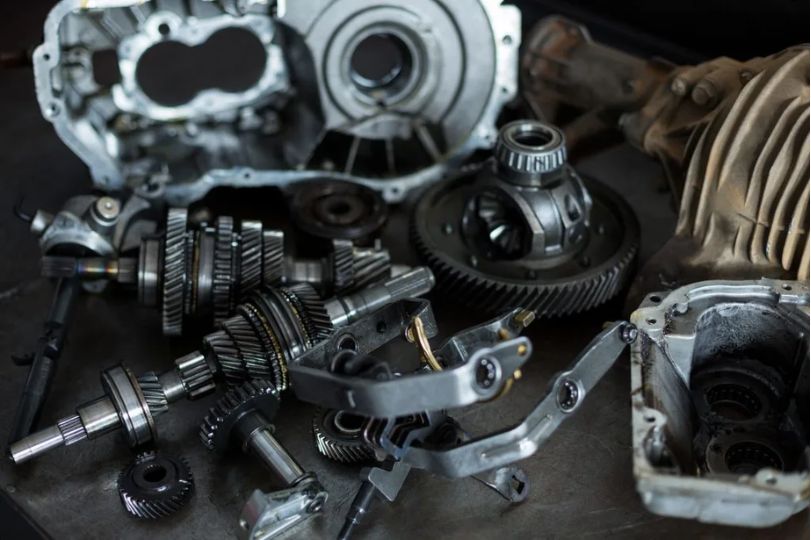
Automatic transmissions have transformed modern driving by eliminating the need for manual gear shifting and delivering a smoother, more comfortable driving experience. As automotive technology continues to evolve, automatic transmission systems have become more efficient, reliable, and fuel-conscious than ever before.
Understanding how automatic transmissions work, the different types available, their advantages, maintenance requirements, and common issues can help vehicle owners make informed decisions and maximize the lifespan of their vehicles. This comprehensive guide explores every essential aspect of automatic car transmissions.
What Is an Automatic Transmission?
An automatic transmission is a vehicle drivetrain system that automatically changes gear ratios as the vehicle accelerates and decelerates. Unlike manual transmissions, which require the driver to operate a clutch pedal and manually select gears, automatic transmissions handle gear selection electronically, hydraulically, or mechanically.
The primary objective of an automatic transmission is to ensure the engine operates within its optimal performance range while delivering power efficiently to the wheels.
How Automatic Transmissions Work
Automatic transmissions use a sophisticated combination of components to transfer engine power to the drive wheels.
The core components include:
- Torque converter
- Planetary gear sets
- Hydraulic systems
- Transmission fluid
- Sensors
- Electronic control unit (TCU)
- Clutches and bands
When the driver presses the accelerator, the transmission control system evaluates vehicle speed, engine load, throttle position, and other inputs. Based on these factors, it automatically selects the most appropriate gear ratio.
Automatic Transmission Power Flow
flowchart TD
    A[Engine] --> B[Torque Converter]
    B --> C[Planetary Gear Sets]
    C --> D[Transmission Control Unit]
    D --> E[Clutches and Bands]
    E --> F[Drive Shaft]
    F --> G[Differential]
    G --> H[Wheels]
Main Components of an Automatic Transmission
Torque Converter
The torque converter replaces the clutch found in manual transmissions. It transfers engine power to the transmission using hydraulic fluid.
Key functions include:
- Smooth power delivery
- Vehicle stopping without engine stalling
- Torque multiplication during acceleration
- Improved driving comfort
Planetary Gear Set
The planetary gear system is the heart of most automatic transmissions. It consists of:
- Sun gear
- Planet gears
- Planet carrier
- Ring gear
Different combinations of these components create various gear ratios.
Transmission Control Module (TCM)
The TCM continuously monitors vehicle performance and determines the ideal gear selection based on driving conditions.
Transmission Fluid
Transmission fluid serves multiple purposes:
- Lubrication
- Cooling
- Hydraulic pressure generation
- Wear reduction
- Component protection
Types of Automatic Transmissions
Modern vehicles utilize several forms of automatic transmission technology.
Conventional Automatic Transmission (AT)
Traditional automatic transmissions use a torque converter and planetary gear sets.
Advantages
- Smooth shifting
- High reliability
- Strong towing capability
- Excellent durability
Disadvantages
- Slightly lower fuel efficiency compared to newer technologies
- More complex internal components
Continuously Variable Transmission (CVT)
A CVT uses a belt-and-pulley system instead of fixed gears.
Advantages
- Superior fuel economy
- Smooth acceleration
- Reduced engine strain
- Lightweight design
Disadvantages
- Less engaging driving experience
- Potentially higher repair costs
- Limited towing performance
Dual-Clutch Transmission (DCT)
Dual-clutch transmissions utilize two separate clutches for odd and even gears.
Advantages
- Lightning-fast gear changes
- Improved fuel efficiency
- Sporty performance
- Reduced power loss
Disadvantages
- Higher maintenance complexity
- Costly repairs
- Occasional low-speed hesitation
Automated Manual Transmission (AMT)
An AMT is essentially a manual transmission controlled by electronic actuators.
Advantages
- Affordable
- Better fuel efficiency
- Lower manufacturing costs
Disadvantages
- Noticeable shift delays
- Less refinement
- Reduced smoothness
Benefits of Automatic Transmissions
Automatic transmissions offer numerous advantages for everyday driving.
Enhanced Driving Comfort
Drivers do not need to manage clutch operation or gear changes, making urban driving significantly easier.
Reduced Driver Fatigue
Heavy traffic conditions become less stressful since gear shifting is automated.
Improved Accessibility
Automatic vehicles are easier for new drivers to learn and operate.
Better Modern Efficiency
Advancements in transmission technology have significantly narrowed the fuel economy gap between automatic and manual vehicles.
Consistent Performance
Electronic control systems optimize gear selection for varying driving conditions.
Automatic Transmission Gear Positions Explained
Most automatic vehicles feature several gear positions.
Park (P)
Locks the transmission and prevents vehicle movement.
Reverse (R)
Allows the vehicle to move backward.
Neutral (N)
Disconnects engine power from the drive wheels.
Drive (D)
Automatically selects gears for forward motion.
Low Gear (L)
Provides increased torque for steep inclines and challenging terrain.
Sport Mode (S)
Delivers quicker acceleration and higher engine speeds.
Common Automatic Transmission Problems
Recognizing transmission issues early can prevent expensive repairs.
Delayed Gear Engagement
When the vehicle hesitates before moving after shifting into Drive or Reverse, it may indicate:
- Low transmission fluid
- Worn clutch packs
- Hydraulic pressure issues
Slipping Gears
Transmission slipping occurs when the vehicle unexpectedly changes gears or struggles to maintain power.
Possible causes include:
- Worn internal components
- Fluid contamination
- Faulty sensors
Rough Shifting
Harsh or jerky gear changes often result from:
- Dirty transmission fluid
- Faulty solenoids
- Software calibration issues
Fluid Leaks
Transmission fluid leaks can lead to overheating and severe damage if ignored.
Common leak points include:
- Transmission pan gasket
- Seals
- Cooler lines
Burning Smell
Overheated transmission fluid produces a distinct burning odor and requires immediate attention.
Signs Your Automatic Transmission Needs Service
Watch for the following warning indicators:
- Transmission warning light
- Delayed acceleration
- Unusual noises
- Grinding sounds
- Fluid leaks
- Vibrations while driving
- Difficulty shifting gears
- Reduced fuel economy
Prompt diagnosis helps prevent extensive transmission damage.
Importance of Transmission Fluid Maintenance
Transmission fluid is critical to transmission performance and longevity.
Functions of Transmission Fluid
- Lubricates moving components
- Controls operating temperatures
- Prevents corrosion
- Maintains hydraulic pressure
- Minimizes wear
When to Change Transmission Fluid
Recommended intervals vary by manufacturer, but many vehicles require transmission fluid replacement every 40,000 to 100,000 kilometers.
Always consult the vehicle owner’s manual for exact specifications.
Tips to Extend Automatic Transmission Life
Proper maintenance can significantly increase transmission lifespan.
Warm Up the Vehicle
Allow fluids to circulate properly before aggressive driving.
Avoid Excessive Towing
Stay within manufacturer towing limits.
Check Fluid Levels Regularly
Low fluid levels can cause severe internal damage.
Use the Correct Transmission Fluid
Using incorrect fluid can compromise performance and reliability.
Service the Cooling System
Transmission cooling plays a crucial role in preventing overheating.
Drive Smoothly
Aggressive acceleration and sudden braking increase transmission wear.
Automatic Transmission vs Manual Transmission
| Feature | Automatic Transmission | Manual Transmission |
|---|---|---|
| Ease of Use | Excellent | Moderate |
| Comfort | High | Lower |
| Fuel Efficiency | Very Good | Good |
| Maintenance Complexity | Higher | Lower |
| Learning Curve | Minimal | Steeper |
| Traffic Driving | Ideal | Less Convenient |
| Resale Demand | Higher in many markets | Variable |
Modern Innovations in Automatic Transmission Technology
Transmission systems continue to evolve rapidly.
Adaptive Shift Logic
Modern transmissions learn driver behavior and optimize gear changes accordingly.
Intelligent Electronic Controls
Advanced sensors improve efficiency, responsiveness, and reliability.
Multi-Speed Gearboxes
Eight-speed, nine-speed, and ten-speed automatic transmissions provide:
- Better acceleration
- Improved fuel economy
- Lower engine wear
- Enhanced highway performance
Hybrid Transmission Systems
Hybrid vehicles integrate electric motors with advanced automatic transmission systems for maximum efficiency.
Frequently Asked Questions
How long does an automatic transmission last?
With proper maintenance, many automatic transmissions last between 150,000 and 300,000 kilometers or more.
Is automatic transmission maintenance expensive?
Routine maintenance is relatively affordable. Neglecting maintenance can lead to costly repairs or replacement.
Can transmission fluid be checked at home?
Many vehicles allow fluid inspection using a dipstick, while newer models may require professional diagnostic procedures.
Which transmission type offers the best fuel economy?
CVTs and modern dual-clutch transmissions typically provide the highest fuel efficiency.
Is it safe to drive with a slipping transmission?
No. Continued driving can cause extensive internal damage and increase repair costs.
Automatic transmissions represent one of the most significant advancements in automotive engineering. Whether equipped with a conventional automatic transmission, CVT, DCT, or AMT, modern vehicles benefit from smoother operation, improved efficiency, and enhanced driving comfort. Understanding transmission types, operating principles, maintenance requirements, and early warning signs allows vehicle owners to protect their investment, improve reliability, and ensure long-term performance. Regular servicing, proper fluid maintenance, and timely repairs remain the most effective strategies for maximizing automatic transmission lifespan and maintaining optimal vehicle operation.

Aayush is an Automobile Engineer who repairs and tests cars and their components, applying engineering principles to improve the performance, safety, and efficiency. He works on car engines, brakes, and electrical systems, utilizing computerized models to predict performance and ensure vehicles meet standards.