
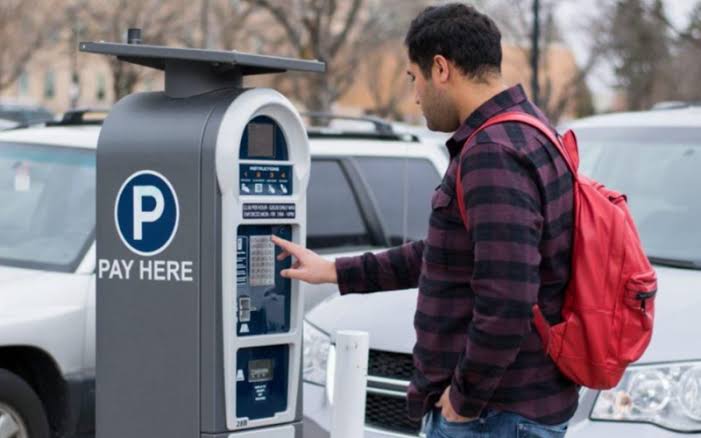
Finding a parking space in Dubai is usually easy, but knowing how to Pay for Parking correctly is just as important. Whether you’re visiting a shopping mall, a business district, or a residential area, understanding the available parking payment methods can help you avoid fines and make your journey more convenient.
Dubai has a modern parking system that allows drivers to pay using different methods, making the process quick and hassle-free. In this guide, we’ll explain everything you need to know about paying for parking in Dubai, along with practical tips to make parking easier.
Why Paying for Parking Is Important
Parking regulations are designed to keep traffic moving and ensure parking spaces are available for everyone.
Paying for parking on time helps you:
- Avoid parking fines
- Park legally
- Save time
- Enjoy a stress-free driving experience
- Support organized traffic management
Ignoring parking rules can result in unnecessary penalties that are easy to avoid.
Where Paid Parking Is Common in Dubai
You’ll find paid parking in many busy areas across the city, including:
- Commercial districts
- Shopping areas
- Business centres
- Tourist attractions
- Residential zones
- Public parking lots
Before leaving your vehicle, always check nearby parking signs for payment instructions and operating hours.
Ways to Pay for Parking in Dubai
Dubai offers several convenient payment options to suit different drivers.
Mobile Parking Apps
Many drivers prefer using official parking apps because they are fast and convenient.
These apps allow you to:
- Pay for parking digitally
- Extend your parking time
- View your parking history
- Receive reminders before your parking expires
This is one of the easiest ways to manage parking without returning to your vehicle.
SMS Parking
SMS parking remains a popular option for many motorists.
After following the required format and sending the message, you’ll receive a confirmation if your parking session has been activated.
Always double-check the parking zone before sending your request.
Parking Meters
Many parking areas have payment machines where you can pay using the available payment methods.
Be sure to:
- Select the correct parking zone.
- Choose the required parking duration.
- Keep any receipt if instructed.
Digital Payment Options
Many parking systems now support cashless payments, making it easier for drivers who prefer using cards or digital wallets.
Cashless transactions are generally quicker and more convenient than carrying cash.
How to Pay for Parking Correctly
Following a few simple steps can help you avoid mistakes.
Step 1: Check the Parking Zone
Every parking area has a designated zone displayed on nearby signs.
Always confirm you’re using the correct zone before making payment.
Step 2: Choose Your Payment Method
Select the option that’s most convenient for you, such as a parking app, SMS, or parking meter.
Step 3: Select the Parking Duration
Estimate how long you’ll need to park.
If your plans change, extend your parking session before it expires whenever possible.
Step 4: Confirm Your Payment
After payment, make sure you receive a confirmation through the app, SMS, or payment machine.
Tips to Avoid Parking Fines
Many parking fines happen because of small mistakes.
Here are some helpful tips:
- Check parking signs carefully.
- Pay immediately after parking.
- Enter the correct parking zone.
- Set reminders before your parking expires.
- Extend your session if you need more time.
- Park only in designated parking spaces.
A few extra seconds of attention can save you from unnecessary penalties.
Common Parking Mistakes
Drivers sometimes make simple errors without realizing it.
Avoid these common mistakes:
- Forgetting to pay for parking.
- Entering the wrong parking zone.
- Parking in restricted areas.
- Allowing parking time to expire.
- Ignoring temporary parking notices.
- Assuming parking is free during all hours.
Reading parking instructions carefully can help you avoid these problems.
Benefits of Digital Parking Payments
Technology has made parking much more convenient.
Digital payment methods offer several advantages:
- Faster transactions
- Easy parking extensions
- Payment confirmation
- Reduced need for cash
- Better tracking of parking history
Many drivers prefer digital payments because they simplify the entire process.
What to Do If Your Parking Time Is Running Out
If you’re unable to return to your vehicle before your parking expires, check whether your payment method allows you to extend the session remotely.
Extending your parking time before it ends can help you avoid fines and unnecessary stress.
Helpful Parking Tips for Dubai Drivers
To make every trip easier:
- Plan your parking before reaching busy areas.
- Keep your preferred parking payment method ready.
- Save frequently visited parking zones if using an app.
- Allow extra time during weekends and holidays.
- Read all parking instructions carefully.
Good planning makes parking faster and more convenient.
Why Understanding Dubai’s Parking System Matters
Dubai continues to improve its smart city services, making parking easier for residents and visitors.
Learning how to Pay for Parking correctly helps you:
- Drive with confidence
- Avoid penalties
- Save valuable time
- Enjoy a smoother travel experience
Understanding the system also makes visiting busy areas much less stressful.
How to Pay for Parking in Dubai
Knowing how to Pay for Parking in Dubai is an essential part of responsible driving. Whether you choose a mobile app, SMS service, parking meter, or another approved payment method, paying on time helps you avoid fines and makes your journey more convenient.
Before leaving your vehicle, always check the parking zone, confirm your payment, and keep track of your parking duration. With a little preparation and awareness, you can enjoy a smooth parking experience anywhere in Dubai.

Aayush is an Automobile Engineer who repairs and tests cars and their components, applying engineering principles to improve the performance, safety, and efficiency. He works on car engines, brakes, and electrical systems, utilizing computerized models to predict performance and ensure vehicles meet standards.