
If your car pulls to one side, the steering wheel feels off-center, or your tires are wearing out unevenly, it may be time for a wheel alignment. Many drivers in Al Quoz overlook this essential maintenance service until they notice handling problems or have to replace their tires sooner than expected.
Dubai’s roads are generally smooth, but daily driving, speed bumps, potholes, and accidental curb impacts can gradually affect your vehicle’s wheel alignment. Regular alignment helps improve driving comfort, extends tire life, and keeps your car performing at its best.
In this guide, you’ll learn what wheel alignment is, why it’s important, common warning signs, and when you should have your vehicle checked.
What Is Wheel Alignment?
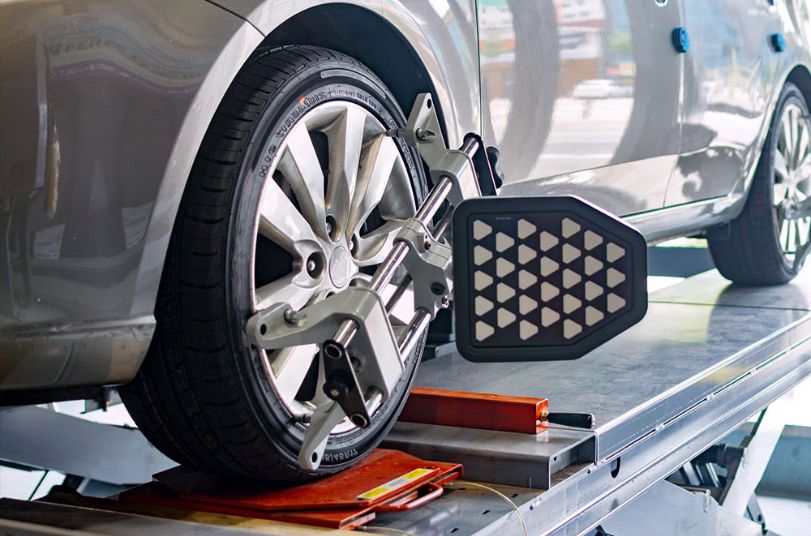
Wheel alignment is the process of adjusting your vehicle’s wheels so they meet the manufacturer’s recommended angles. Proper alignment ensures that all four wheels point in the correct direction and make even contact with the road.
Contrary to what many people believe, wheel alignment doesn’t adjust the tires—it adjusts the vehicle’s suspension system to ensure the wheels are positioned correctly.
When your wheels are properly aligned, your vehicle drives straighter, responds better to steering, and experiences less unnecessary tire wear.
Why Is Wheel Alignment Important?
Many drivers only think about alignment when they notice a problem, but regular checks offer several long-term benefits.
A proper wheel alignment helps:
- Improve steering control.
- Extend tire life.
- Increase driving comfort.
- Improve fuel efficiency.
- Reduce unnecessary suspension wear.
- Make driving safer.
It’s a simple maintenance service that can help prevent more expensive repairs later.
Signs Your Car Needs Wheel Alignment
Your vehicle often gives clear signs when the alignment is no longer correct.
The Car Pulls to One Side
If your vehicle drifts left or right while driving on a straight road, even when you’re holding the steering wheel properly, the alignment may need adjustment.
Uneven Tire Wear
One of the most common signs is uneven wear across your tires.
When the wheels aren’t aligned correctly, some parts of the tire wear out much faster than others.
Regular tire inspections can help identify this issue early.
Off-Center Steering Wheel
If you’re driving straight but the steering wheel isn’t centered, your alignment should be checked.
This is often one of the earliest warning signs.
Steering Feels Loose
Poor alignment can make steering feel less responsive or unstable, especially at higher speeds.
If your vehicle doesn’t feel as precise as it used to, an alignment inspection may be necessary.
Squealing Tires
Misaligned wheels can sometimes cause excessive friction between the tires and the road, leading to unusual tire noise during driving or turning.
Common Causes of Wheel Misalignment
Wheel alignment changes gradually over time, but certain situations can cause it to shift more quickly.
Common causes include:
- Driving over potholes.
- Hitting curbs.
- Speed bumps at high speed.
- Suspension component wear.
- Minor road accidents.
- Replacing suspension or steering parts.
Even careful drivers may eventually need alignment adjustments as part of normal vehicle maintenance.
Wheel Alignment vs. Wheel Balancing
Many people confuse these two services, but they solve different problems.
Wheel Alignment
Wheel alignment adjusts the angles of your wheels so your vehicle drives straight and your tires wear evenly.
Wheel Balancing
Wheel balancing ensures that the weight of each tire and wheel assembly is evenly distributed to reduce vibration while driving.
Sometimes your vehicle may need one service, while in other cases both services are recommended for the best driving experience.
How Often Should You Get a Wheel Alignment?
There’s no single schedule that fits every vehicle, but it’s a good idea to have your alignment checked:
- During routine vehicle servicing.
- After replacing tires.
- After suspension repairs.
- Following a significant impact with a curb or pothole.
- Whenever you notice unusual steering or tire wear.
Regular inspections help identify small problems before they become expensive repairs.
Benefits of Regular Wheel Alignment
Keeping your wheels properly aligned offers several advantages.
Longer Tire Life
Even tire wear means your tires last longer, helping you avoid premature replacements.
Better Fuel Economy
Misaligned wheels create extra rolling resistance, which can cause your engine to work harder.
Proper alignment helps your vehicle operate more efficiently.
Improved Safety
A properly aligned vehicle responds more predictably during braking and steering, making driving safer.
More Comfortable Driving
Your car feels smoother, easier to control, and more stable on highways and city roads.
Tips to Maintain Proper Wheel Alignment
You can reduce alignment problems by following a few simple habits.
- Slow down when driving over speed bumps.
- Avoid hitting curbs while parking.
- Check tire pressure regularly.
- Rotate your tires according to your vehicle’s maintenance schedule.
- Inspect your tires for uneven wear.
- Have your suspension checked during regular servicing.
Preventive maintenance helps keep your vehicle performing at its best.
Common Mistakes Drivers Make
Many vehicle owners unknowingly delay alignment service.
Avoid these mistakes:
- Ignoring early steering problems.
- Waiting until tires wear out.
- Assuming balancing and alignment are the same service.
- Skipping regular vehicle inspections.
- Replacing tires without checking alignment.
Addressing alignment issues early can save both time and money.
Why Professional Wheel Alignment Matters
Modern vehicles require specialized alignment equipment to achieve accurate adjustments.
Professional technicians use computerized systems to measure wheel angles precisely according to the manufacturer’s specifications.
This ensures your vehicle drives safely, your tires wear evenly, and your suspension performs as intended.
Proper Wheel Alignment
A proper wheel alignment is one of the simplest yet most important maintenance services for keeping your vehicle safe, comfortable, and efficient. Whether you’re commuting through Al Quoz, driving across Dubai, or taking longer highway trips, correctly aligned wheels improve handling, extend tire life, and reduce unnecessary wear on your vehicle.
If you notice your car pulling to one side, uneven tire wear, or an off-center steering wheel, don’t ignore the warning signs. A professional wheel alignment inspection can help restore your vehicle’s performance and give you greater confidence every time you get behind the wheel.

Aayush is an Automobile Engineer who repairs and tests cars and their components, applying engineering principles to improve the performance, safety, and efficiency. He works on car engines, brakes, and electrical systems, utilizing computerized models to predict performance and ensure vehicles meet standards.