
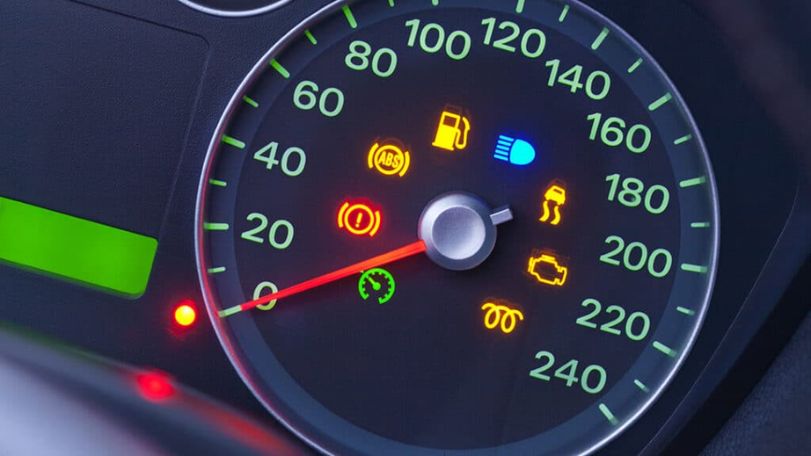
Have you ever been driving in Dubai when a strange light suddenly appeared on your dashboard? Many drivers see a Car Dashboard Warning and simply ignore it, hoping it will disappear on its own. However, those small symbols are your vehicle’s way of telling you that something needs attention. Understanding car dashboard symbols and meanings can help you avoid costly repairs, improve safety, and keep your vehicle running smoothly in Dubai’s demanding driving conditions.
In this guide, we’ll explain the most common car warning symbols, what they mean, and when you should take action.
Why Dashboard Warning Lights Matter
Modern vehicles are equipped with advanced sensors that constantly monitor different systems. When a problem is detected, a car warning light appears on the dashboard to alert the driver.
Ignoring these warnings can lead to:
- Expensive repairs
- Vehicle breakdowns
- Reduced fuel efficiency
- Safety risks
- Engine damage
The sooner you understand the issue, the easier and less expensive it may be to fix.
Understanding Dashboard Warning Light Colors
Not all warning lights indicate the same level of urgency.
Green or Blue Lights
These lights usually indicate that a system is operating normally.
Examples include:
- Headlights
- Cruise control
- High beam indicators
These are informational and usually don’t require action.
Yellow or Orange Lights
Yellow lights typically mean a system needs attention soon.
You can usually continue driving, but the issue should be inspected as soon as possible.
Red Lights
Red warning lights indicate serious problems.
If a red light appears, stop the vehicle safely and investigate the issue immediately.
Common Car Dashboard Symbols and Meanings
Engine Warning Light
One of the most common car dashboard warning indicators is the engine light.
This warning may appear because of:
- Engine performance issues
- Sensor malfunctions
- Fuel system problems
- Emissions-related faults
Even if the vehicle feels normal, it’s best to have it checked promptly.
Oil Pressure Warning Light
This light often looks like an oil can.
It may indicate:
- Low engine oil
- Oil pressure problems
- Oil pump failure
Driving with low oil pressure can seriously damage your engine.
Battery Warning Light
This symbol usually appears as a battery icon.
Possible causes include:
- Weak battery
- Charging system issues
- Alternator problems
- Loose electrical connections
If ignored, your vehicle may eventually fail to start.
Brake Warning Light
The brake warning symbol should never be ignored.
It may indicate:
- Low brake fluid
- Worn brake components
- Parking brake engagement
- Brake system faults
Your braking system is critical for safety, especially during busy Dubai traffic conditions.
Coolant Temperature Warning Light
Dubai’s high temperatures can put extra stress on vehicle cooling systems.
This warning may appear when:
- The engine overheats
- Coolant levels are low
- Cooling system components fail
If the engine overheats, stop safely and allow it to cool before continuing.
Tire Pressure Warning Light
This symbol often looks like a tire with an exclamation mark.
It indicates:
- Low tire pressure
- Uneven tire pressure
- Tire monitoring system issues
Proper tire pressure improves safety, handling, and fuel efficiency.
Car Symbols and Meanings Every Driver Should Know
Many dashboard icons are designed to communicate important information quickly.
Some common examples include:
ABS Warning Light
The Anti-lock Braking System helps prevent wheel lock during sudden braking.
If this light appears, the ABS system may need inspection.
Airbag Warning Light
This symbol indicates a potential issue with the airbag system.
Because airbags are a critical safety feature, professional diagnosis is recommended.
Fuel Warning Light
Probably the most familiar symbol for most drivers.
It simply means your fuel level is low and you should refuel soon.
Seatbelt Reminder
This warning encourages drivers and passengers to fasten seatbelts for safety.
Why Dubai Drivers Should Pay Extra Attention
Driving conditions in Dubai can be demanding due to:
- High temperatures
- Long-distance travel
- Heavy traffic
- Frequent highway driving
These factors place additional strain on:
- Engines
- Batteries
- Cooling systems
- Tires
- Brakes
Understanding car dashboard signs helps drivers identify potential problems before they become major repairs.
What To Do When a Warning Light Appears
If you notice a warning light:
Stay Calm
Not every warning means immediate danger.
Check the Owner’s Manual
Your vehicle’s manual explains specific symbols and recommended actions.
Monitor Vehicle Performance
Pay attention to unusual sounds, smells, or driving behavior.
Schedule an Inspection
If the warning persists, have your vehicle inspected by a qualified technician.
Stop Immediately for Serious Warnings
Red warning lights related to oil pressure, overheating, or braking systems should never be ignored.
Preventing Dashboard Warning Lights
Regular maintenance can reduce the chances of warning lights appearing unexpectedly.
Helpful habits include:
- Checking engine oil regularly
- Monitoring tire pressure
- Replacing worn batteries
- Following service schedules
- Inspecting coolant levels
- Addressing minor issues early
Preventive maintenance often costs far less than emergency repairs.
Car Dashboard Symbols
Understanding car dashboard symbols, car warning symbols, and car symbols and meanings is an important part of responsible vehicle ownership. Those dashboard lights are designed to protect your vehicle and keep you safe on the road.
For drivers in Dubai, where extreme temperatures and daily commuting can put extra pressure on vehicles, paying attention to a car warning sign or car warning light can help prevent breakdowns and costly repairs. The next time a dashboard light appears, don’t ignore it—take a few moments to understand what your vehicle is trying to tell you.

Aayush is an Automobile Engineer who repairs and tests cars and their components, applying engineering principles to improve the performance, safety, and efficiency. He works on car engines, brakes, and electrical systems, utilizing computerized models to predict performance and ensure vehicles meet standards.