
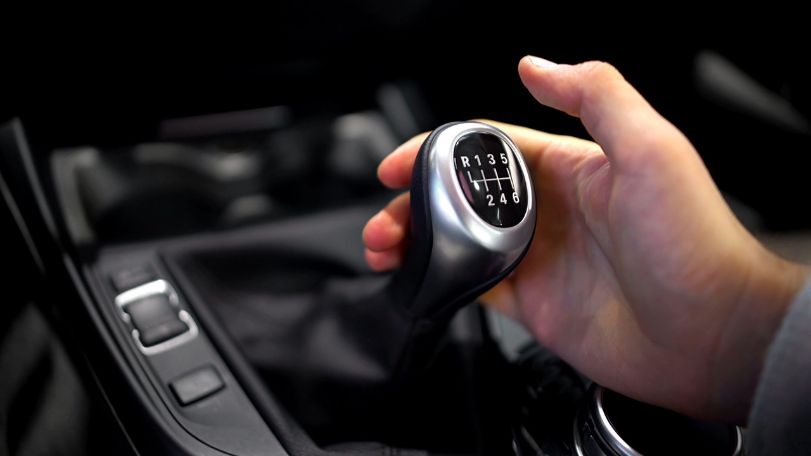
Have you ever started your vehicle, pressed the brake, and tried to shift into drive only to find that your car won’t go into gear? This issue can happen unexpectedly and leave you stranded at home, in a parking lot, or even in the middle of a busy day in Dubai.
While it may seem like a serious transmission failure, the cause is not always major. Problems such as low transmission fluid, a faulty clutch, a damaged shift linkage, or electronic system malfunctions can all prevent your vehicle from engaging the correct gear. Understanding the warning signs early can help you avoid costly repairs and get your car back on the road faster.
In this guide, we’ll explain the most common reasons why a car won’t go into gear, the warning signs to watch for, and what Dubai drivers should do next.
Why Your Car Won’t Go Into Gear
Your vehicle’s transmission system is responsible for transferring power from the engine to the wheels. When any part of this system experiences a fault, shifting gears can become difficult or impossible.
If your car won’t go into gear, several components could be responsible.
Low or Contaminated Transmission Fluid
One of the most common reasons a car won’t go into gear is low transmission fluid.
Transmission fluid lubricates moving components, reduces friction, and helps maintain proper hydraulic pressure. When fluid levels drop too low, the transmission may struggle to engage gears properly.
Signs of Transmission Fluid Problems
- Difficulty shifting gears
- Delayed gear engagement
- Grinding noises
- Transmission slipping
- Burning smell while driving
Dubai’s extreme temperatures can also accelerate fluid degradation, making regular maintenance especially important.
Clutch Problems in Manual Transmission Vehicles
For vehicles equipped with a manual transmission, clutch-related issues are often responsible when a car won’t go into gear.
The clutch allows the engine and transmission to engage and disengage smoothly. If the clutch disc, pressure plate, or hydraulic system becomes worn or damaged, shifting gears may become difficult.
Common Clutch Symptoms
- Soft or spongy clutch pedal
- Difficulty engaging first gear
- Grinding sounds when shifting
- Vehicle creeping forward with the clutch depressed
Ignoring clutch problems can lead to more expensive repairs over time.
Faulty Gear Shift Linkage
The gear shift linkage connects your gear selector to the transmission. If this linkage becomes loose, damaged, or disconnected, the transmission may not receive the correct shifting commands.
A damaged linkage can make it feel as though the gear lever moves normally while the transmission itself remains stuck.
Professional inspection is usually required to identify and repair linkage issues.
Transmission Control Module Failure
Modern vehicles rely on electronic systems to manage gear changes.
A malfunctioning Transmission Control Module (TCM) can prevent the transmission from engaging gears properly. In some cases, the vehicle may enter “limp mode” to protect itself from further damage.
Symptoms of TCM Problems
- Warning lights on the dashboard
- Delayed shifting
- Sudden gear changes
- Failure to engage drive or reverse
Electronic transmission diagnostics can help identify software or module-related faults quickly.
Worn Transmission Components
Over time, internal transmission parts naturally wear down.
Gears, synchronizers, bearings, and seals are constantly exposed to friction and heat. Eventually, this wear can affect transmission performance and cause shifting issues.
If your car won’t go into gear and other potential causes have been ruled out, internal transmission damage may be the underlying issue.
Warning Signs of Internal Transmission Wear
- Grinding noises
- Metal particles in transmission fluid
- Gear slipping
- Vibration while driving
- Difficulty selecting specific gears
Early diagnosis can often prevent more extensive repairs.
Problems With the Brake Shift Interlock
Automatic vehicles use a brake shift interlock system that prevents the driver from shifting out of park unless the brake pedal is pressed.
If the brake light switch fails or the interlock system malfunctions, your car won’t go into gear even when the engine is running.
This issue is often mistaken for a transmission problem but can usually be repaired relatively quickly.
Can Dubai’s Climate Affect Transmission Performance?
Yes. Dubai’s hot climate places additional stress on vehicle components, including the transmission.
High temperatures can:
- Accelerate transmission fluid breakdown
- Increase wear on seals and gaskets
- Cause overheating during heavy traffic
- Reduce overall transmission efficiency
Regular servicing becomes even more important for vehicles operating in Dubai’s demanding driving conditions.
What To Do If Your Car Won’t Go Into Gear
If you notice shifting problems, avoid forcing the gear selector.
Instead:
- Check whether warning lights are illuminated.
- Verify transmission fluid levels if possible.
- Ensure the brake pedal is functioning correctly.
- Listen for unusual noises.
- Arrange a professional inspection as soon as possible.
How Regular Maintenance Prevents Transmission Problems
Many transmission failures can be prevented through routine maintenance.
Important services include:
- Transmission fluid replacement
- Clutch inspections
- Transmission diagnostics
- Leak detection
- Electronic system checks
Regular servicing helps identify small issues before they become major mechanical failures.
When Should You Seek Professional Help?
If your car won’t go into gear, professional diagnosis is strongly recommended.
A qualified technician can inspect the transmission system, identify the root cause, and recommend the most effective repair solution. Early intervention often reduces repair costs and minimizes vehicle downtime.
Whether the issue is a simple fluid problem or a more complex transmission fault, addressing it quickly helps maintain your vehicle’s reliability and safety.
Solving the problem
Discovering that your car won’t go into gear can be stressful, but understanding the possible causes is the first step toward solving the problem. From low transmission fluid and clutch failures to electronic faults and internal transmission wear, several issues can affect your vehicle’s ability to shift properly.
For drivers in Dubai, regular maintenance and prompt inspections are essential due to the region’s challenging climate and driving conditions. If your vehicle is showing signs of transmission trouble, don’t wait for the problem to worsen. Professional diagnosis and timely repairs can help get you back on the road safely and prevent more expensive repairs in the future.

Aayush is an Automobile Engineer who repairs and tests cars and their components, applying engineering principles to improve the performance, safety, and efficiency. He works on car engines, brakes, and electrical systems, utilizing computerized models to predict performance and ensure vehicles meet standards.